Why Japan Quit Fluoride Decades Ago (And What They Use Instead)
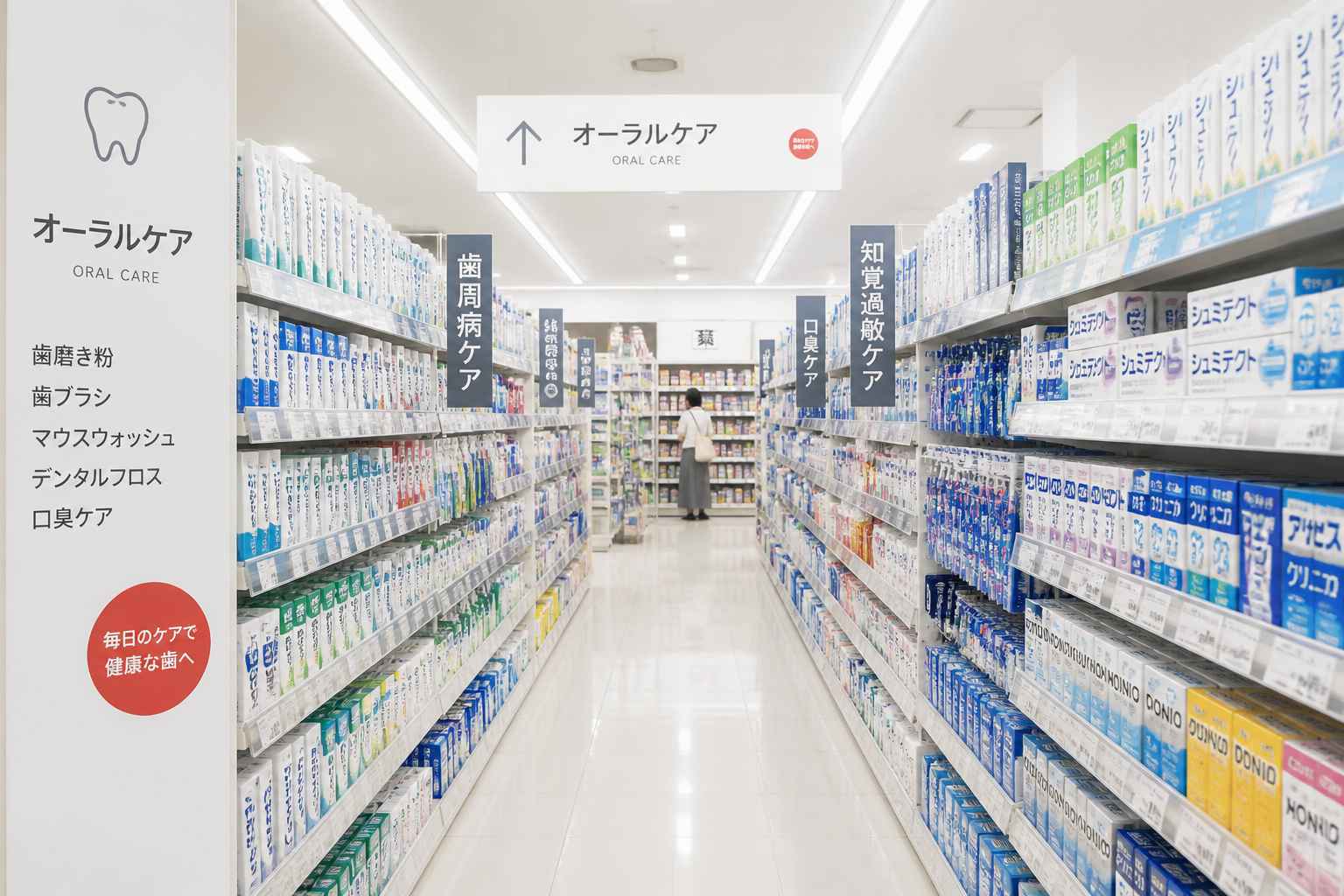
Walk into a Tokyo drugstore and the toothpaste aisle looks off to an American. Same tubes, same rows, but the word you scan for out of habit, fluoride, sits off to the side.
A different active ingredient owns the center shelves. Shoppers there grab it the way people in the States grab the blue-and-white classics, without a second thought.
That ingredient is hydroxyapatite. Japan approved it for oral care in 1980, and it has been standard there ever since.
For more than four decades, two countries with similar dentistry and similar budgets walked into similar stores and reached for two different tubes. The American aisle never switched.
The science behind that gap is worth knowing before your next trip down the toothpaste aisle.
The gap has nothing to do with one country being smarter. It comes down to how each market regulates toothpaste, what its factories were built around, and how long an old ingredient can hold the best shelf once it lands there.
See those reasons and the Tokyo aisle stops looking strange. It looks like the one that put the newer science first.
6Things the toothpaste aisle never told you
1. Your enamel is one mineral, wearing thin
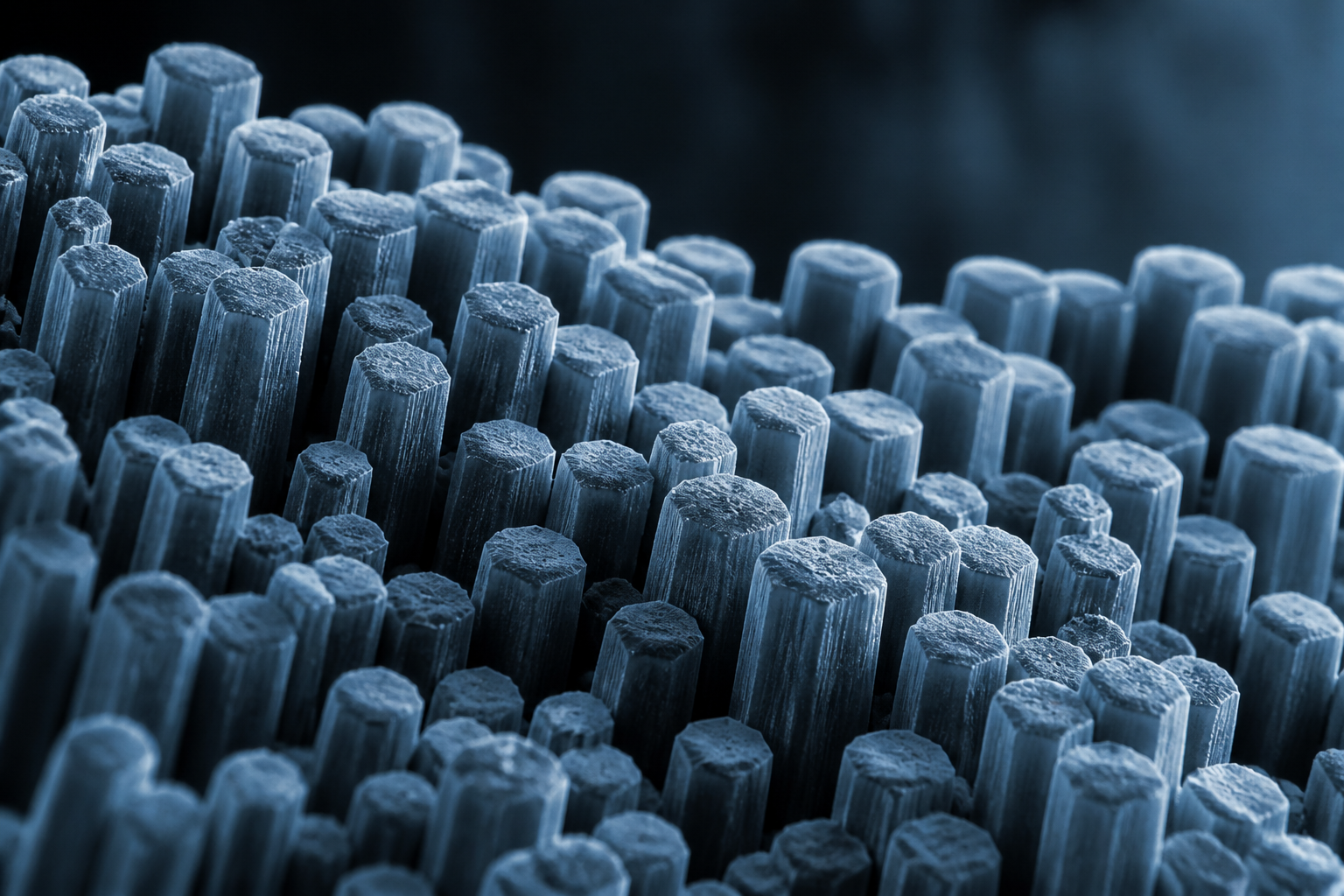
Tooth enamel is about 97% hydroxyapatite, close to a single ordered mineral pressed into the hardest surface your body makes.
The crystals pack into tight rods side by side. That packing lets a tooth crush ice and survive decades of chewing.
It takes a beating every day. Acid, bacteria, brushing and time all pull at the surface and open microscopic gaps.
- Acid from coffee, wine and citrus
- Bacteria in your mouth
- Brushing, day after day
- Time
Each one pulls calcium and phosphate out of the surface. Enamel holds no living cells, so it will not grow back the way skin or bone does.
Those gaps stay open until something refills them.
The fix follows from the material. If the surface is one mineral, and that mineral is what you lose, the obvious move is to put the same mineral back.
That is what remineralization support means. You feed the enamel the exact building block it is made of, so the worn spots can take it up.
Picture the surface up close and the mechanism gets simple. Your mouth runs a tug of war all day.
After every acidic sip or snack the pH drops and mineral flows out of the enamel, which is demineralization. Then saliva buffers the acid, the pH climbs back, and some mineral flows in, which is remineralization.
On a good day the two roughly balance. On a diet heavy in coffee, soda, citrus and refined carbs, the outflow wins and the surface loses ground week after week.
Milled down to nano-sized particles, it is small enough to settle into the pits and scratches acid leaves behind.
Once it lands it binds to the exposed crystal edges and fills the gap with the same lattice the tooth is built from.
The patch reads as the enamel's own mineral, keyed back into place and flush with the rest of the surface.
That is why the enamel feels smoother to the tongue after a few weeks, and why light bounces off it more evenly. That even surface is most of what people notice when they say their teeth look brighter.
Smoother enamel also gives bacteria and stain less to grab. Coffee and wine pigments lodge in rough, porous spots.
Close those spots and the surface picks up less color and lets go of what it holds more easily.
2. The mineral came out of the space program

The part that sounds made up is real. Astronauts on long missions lost minerals from bone and teeth.
Bone stays strong because gravity keeps loading it. In microgravity that load disappears, so the body treats the skeleton as spare capacity and calcium and phosphate leach out.
Crews came home measurably lighter in the exact mineral that makes hard tissue hard. Researchers needed a way to put it back, using a material the body would accept instead of wall off.
They landed on hydroxyapatite, the same calcium-phosphate compound the body already uses for bone and enamel. Tissue recognizes it and bonds to it instead of treating it as a foreign object.
Work through the 1970s refined how to make it in a pure, usable form. That research aimed at skeletons, not smiles, but enamel is the same stuff as bone's mineral phase, so the jump to teeth was short.
A Japanese company licensed the technology and carried it into oral care, reworking the aerospace-grade mineral into a version fit for a toothpaste tube.
A compound studied to keep astronauts intact became a way to shore up enamel back on Earth.
That is how hydroxyapatite reached the drugstore shelf with a real pedigree behind it instead of a marketing story.
3. Japan made it the default in 1980
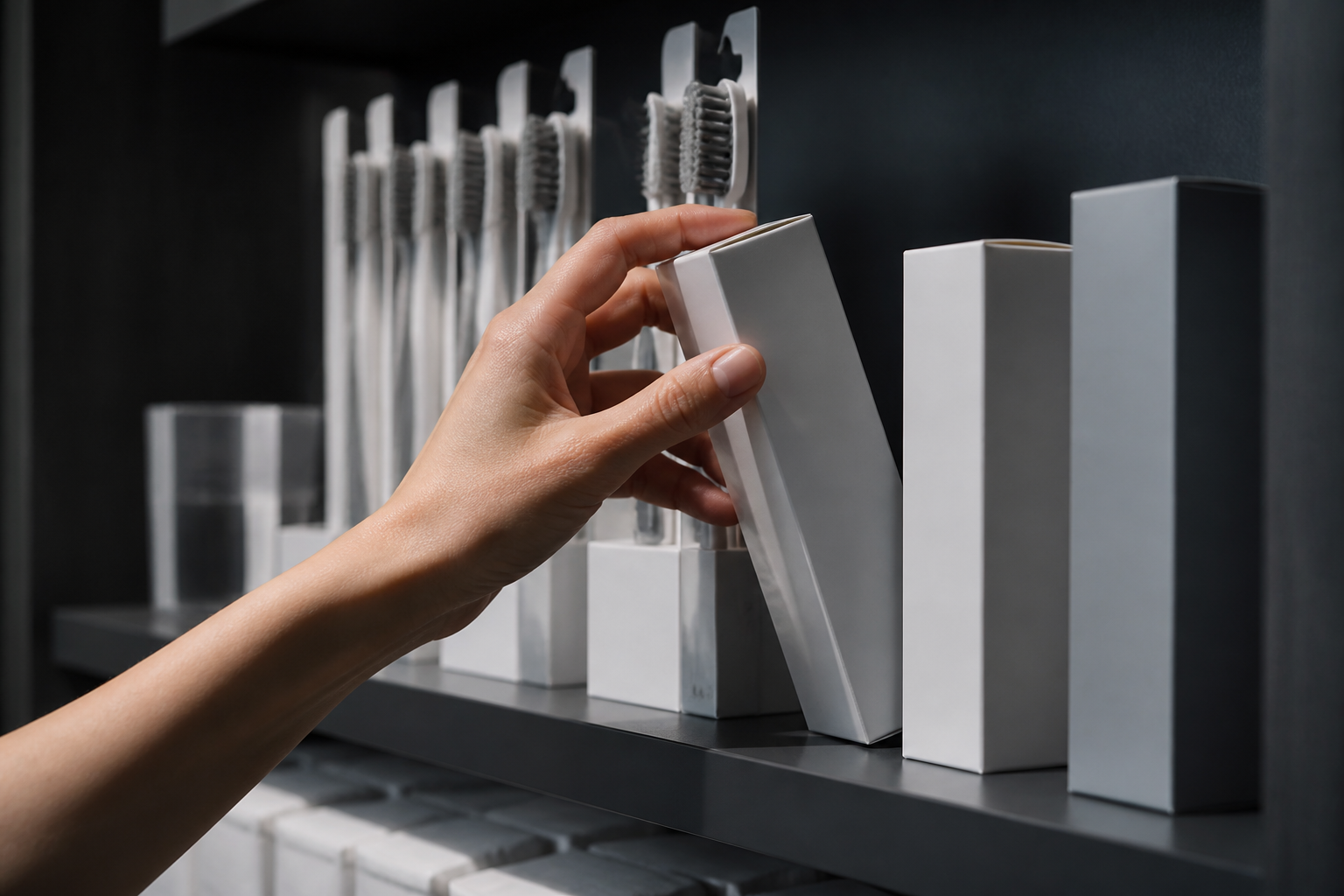
Japan approved hydroxyapatite for toothpaste in 1980, and adoption built from there. The approval let brands make an anti-cavity claim on the label, which pulled the ingredient out of the novelty bin and put it in the same conversation as fluoride.
Once a shopper could pick up the box and read a real claim, it stopped being an experiment.
The aisle did the rest. Big domestic brands put hydroxyapatite in their flagship tubes. Dentists stocked it and recommended it.
Parents who used it raised kids who assumed it was normal, and those kids grew into adults reaching for it out of habit.
Four decades of that turns an ingredient into a default. A shopper in Tokyo today finds it on the main shelf next to the mints and floss, priced like any everyday staple, not stuck in a health-food corner with a markup.
- ● Hydroxyapatite on the main shelf
- ● Mainstream, everyday choice
- ● Refills the mineral enamel is made of
- ● Fluoride front and center
- ● The entrenched default
- ● Hydroxyapatite only now arriving
The United States spent those same decades on fluoride. Same dentistry textbooks, same peer-reviewed journals crossing the Pacific both ways, two different aisles.
The science was never hidden from American shelves. The shelves were built around a different ingredient and stayed that way, which is the puzzle the rest of this comes back to.
Same dentistry, same journals crossing the Pacific both ways. Two countries reached for two different tubes.
4. In a head-to-head trial, it held its own
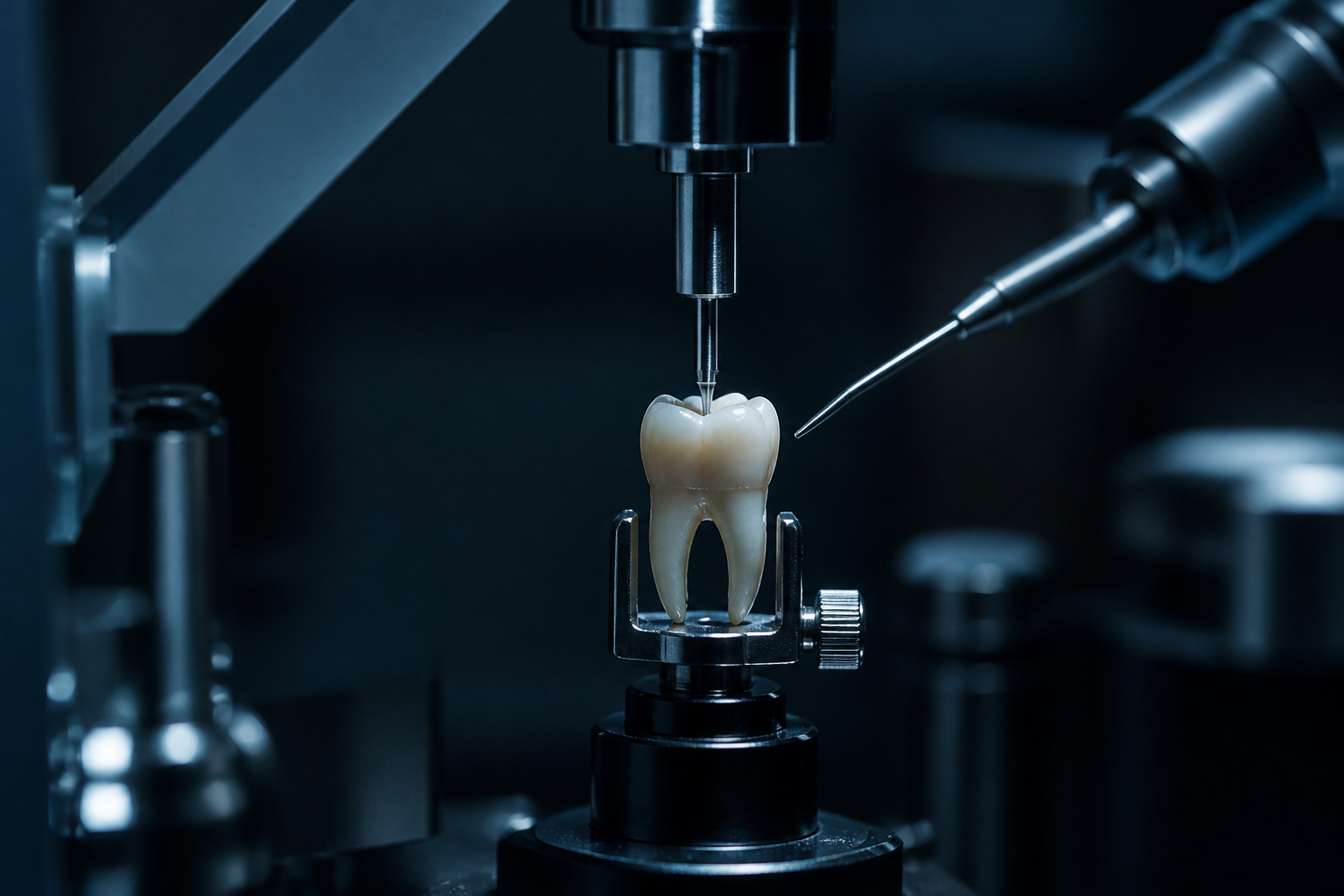
The real question is whether the mineral performs. In an 18-month clinical trial, hydroxyapatite held its own against fluoride for enamel outcomes.
Over a year and a half of daily use, the mineral kept pace with the ingredient that has anchored the category for generations.
Eighteen months is a long run for oral care, long enough to catch a weaker option drifting behind. This one held.
That is the honest ceiling of the claim. It held its own, and it did not beat or replace fluoride.
Still, that is enough to settle the question that matters here. This is a serious ingredient with clinical data behind it.
When a newer option matches the entrenched standard over that long a run, the interesting question stops being whether it works. It becomes why one aisle adopted it and the other did not.
Worth being clear: hydroxyapatite is not labeled by the FDA as an anticavity drug, and nothing here says it beats fluoride or replaces it for cavity protection. What the trial shows is that it can hold its own on enamel outcomes. The pitch is remineralization support, helping rebuild the mineral your enamel is made of.
5. Why America is still on fluoride
If the mineral has been proven and adopted elsewhere for forty years, why did the US aisle never move? The reason is dull.
It comes down to inertia, and none of it is a verdict on the science. Three forces hold the aisle in place.
- RegulatoryOver-the-counter toothpaste in the US runs on an FDA monograph that spells out which actives a brand can use and claim. Fluoride sits inside it as an approved anti-cavity active; hydroxyapatite does not. Brands can sell it, but cannot print the same anti-cavity claim, so retail buyers lean toward the ingredient that carries the stronger label.
- Cost and scaleFluoride runs pennies per tube on a supply chain that has hummed at full volume for over half a century. Water is fluoridated, dental training is built around it, factories are tooled for it. Reformulating a flagship means new suppliers, testing, packaging and filings to unseat something that already works and costs almost nothing.
- EntrenchmentA category this old carries momentum that tracks what is familiar, not what is best. Dentists trained on fluoride and recommend it, shoppers trust the blue-and-white boxes, and marketing budgets protect the incumbent. A system that big turns slowly, if at all.
That inertia kept hydroxyapatite off American shelves for forty years. It is starting to give now, as smaller brands bring the Japan-standard mineral to the US and shoppers go looking for it on purpose.
6. What to look for on a label
The shift is already spreading by word of mouth. People who read ingredient labels pass this along as the way to strengthen and whiten with the tooth instead of against it.
If you want to try it, the label tells you most of what you need before you buy. Three terms carry the weight.
- Nano-hydroxyapatite the active that does the repair
- SLS-free no harsh foaming detergent
- Fluoride-free the enamel works with its own mineral
Nano-hydroxyapatite. Find this one first. Standard hydroxyapatite particles are larger and mostly polish the surface.
The nano version is milled small enough to settle into the microscopic gaps acid opens, which is where the repair happens.
A label that lists plain hydroxyapatite may still help, though the small-particle form is what the research and the Japanese products are built on. Check that it sits near the top of the ingredient list, not as a trace at the bottom.
SLS-free. SLS is sodium lauryl sulfate, the detergent that makes most toothpaste foam hard. It strips the mouth, leaves that tight scrubbed feeling, and triggers canker sores in a lot of people.
Foam is theater. It cleans nothing on its own. A formula can foam gently from milder sources and clean just as well.
SLS-free on the label means it skipped the harsh detergent.
Fluoride-free. This is the choice at the center of the whole story. Fluoride-free means the enamel does the work with its own mineral rather than a separate additive.
It is why people who want to move off fluoride reach for these products, and it is the line between a true hydroxyapatite formula and a tube that added a pinch of the mineral to a conventional fluoride paste.
If both show up on the ingredient list, you are buying a fluoride toothpaste with a marketing sticker, not the Japan-standard approach.
“The only non-damaging way to whiten your teeth is to remineralize your enamel with a nano-hydroxyapatite toothpaste.” A comment that keeps resurfacing in clean-label circles
Straight answers to the usual questions
Anyone weighing a switch hits the same handful of objections. Here they are, answered plainly.
Fact. Fluoride has decades of solid data, and nothing here argues against it. Hydroxyapatite is a different route to a similar goal. Fluoride hardens enamel by swapping into the crystal to form a more acid-resistant surface. Hydroxyapatite refills the worn spots with the same mineral the tooth is already made of. In that 18-month trial it held its own on enamel outcomes. You have a real second option, one that lets people who want off fluoride switch without giving up a serious ingredient.
Fact. A fad does not arrive with a 1980 regulatory approval, a NASA-era research trail and forty years as a mainstream default in one of the most demanding consumer markets on earth. Hydroxyapatite is one of the most studied minerals in dentistry. New to American shelves, which makes it feel trendy here, and old news in Tokyo.
Fact. Fluoride-free does not mean active-free. The active is the hydroxyapatite doing the remineralization support. Skipping fluoride is a choice about which mechanism does the work, not a formula with nothing in it. The whitening you notice is surface-stain lift on smoother enamel, with no bleach and no peroxide.
Fact. Hydroxyapatite is the mineral your own bone and enamel are built from, so a swallowed trace is your body meeting a compound it already makes. That is a big part of why it works as a chewable, and why it suits people who dislike the “spit, do not swallow” warning on conventional tubes. It is also vegan, cruelty-free and pregnancy-safe.
The version built for this
Once you know what to look for, the tube itself starts to feel like the wrong format. Toothpaste was designed around foaming detergent and a fluoride monograph, and it carries both whether you want them or not.
NOT TOOTHPASTE by clnwater drops the tube. It is a fluoride-free hydroxyapatite tablet you chew, and it gives your enamel the same mineral it is 97% made of, so the worn spots have something to take back up.
The routine takes the same thirty seconds you already spend.
- Pop a tablet
- Chew it into a foam
- Brush it in
- Spit
No SLS, no fluoride, no peroxide. It lifts surface stains from coffee, tea and wine without bleach and without the cold zing whitening strips leave behind.
Sixty-two tablets come in a matte black pouch, about a month per pouch, small enough to clear airport security in your carry-on.
If sensitive teeth are what pushed you to look, this is the payoff most people are after. As the mineral settles into the exposed spots, many notice the ache from cold and sweet easing over the first two to eight weeks.
It is the same repair that smooths the surface, working on the nerves those open gaps were exposing. The formula checks all three label terms on its own box: nano-hydroxyapatite as the active, SLS-free, fluoride-free.
Vegan, cruelty-free, pregnancy-safe, and backed by a 62-day empty-pouch guarantee, so you can finish a whole pouch, decide it is not for you, and still get your money back.
“Three weeks in and my teeth are noticeably whiter. My sister asked if I’d gotten them done. I hadn’t. I just switched.” Rachel T., verified buyer
NOT Toothpaste by clnwater
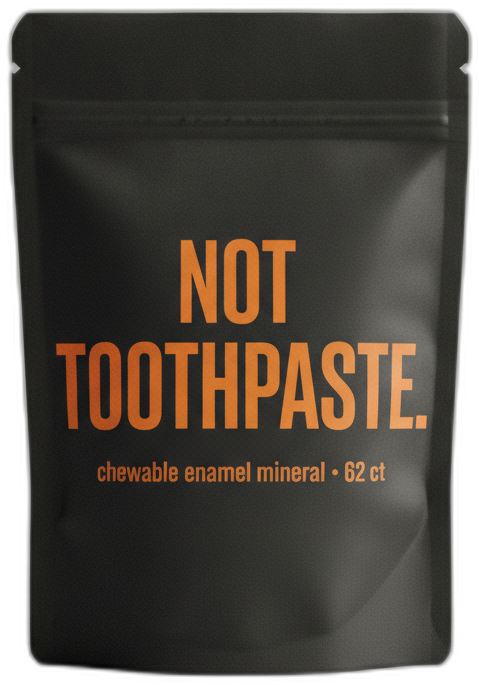
- Chew one tablet, brush, spit
- Remineralization support that rebuilds the mineral enamel is made of
- No SLS, no fluoride, no peroxide
- Real mint, safe to swallow